Build outdoor care around established materials, living plants and the local season rather than a universal monthly package.
Start with the existing condition
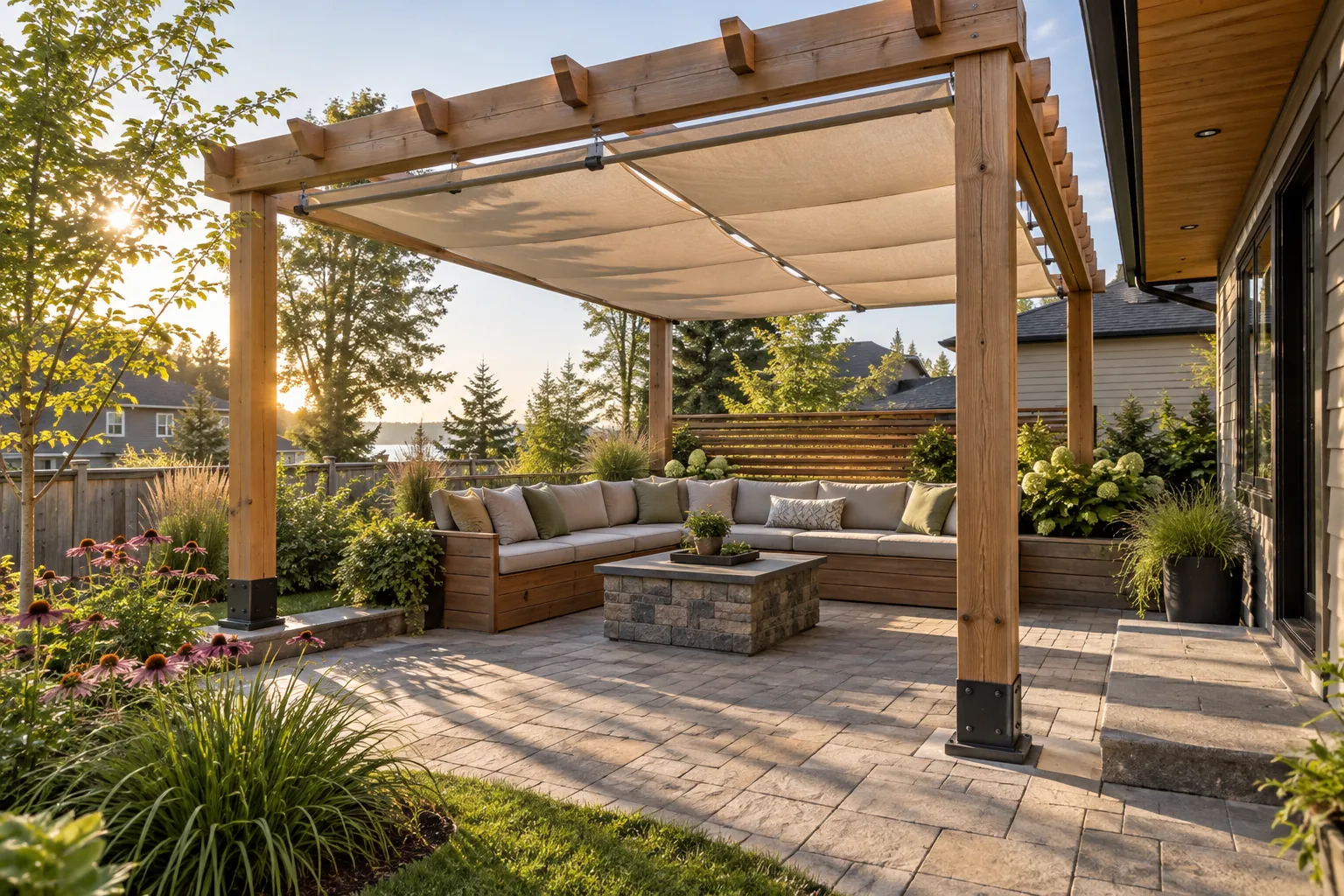
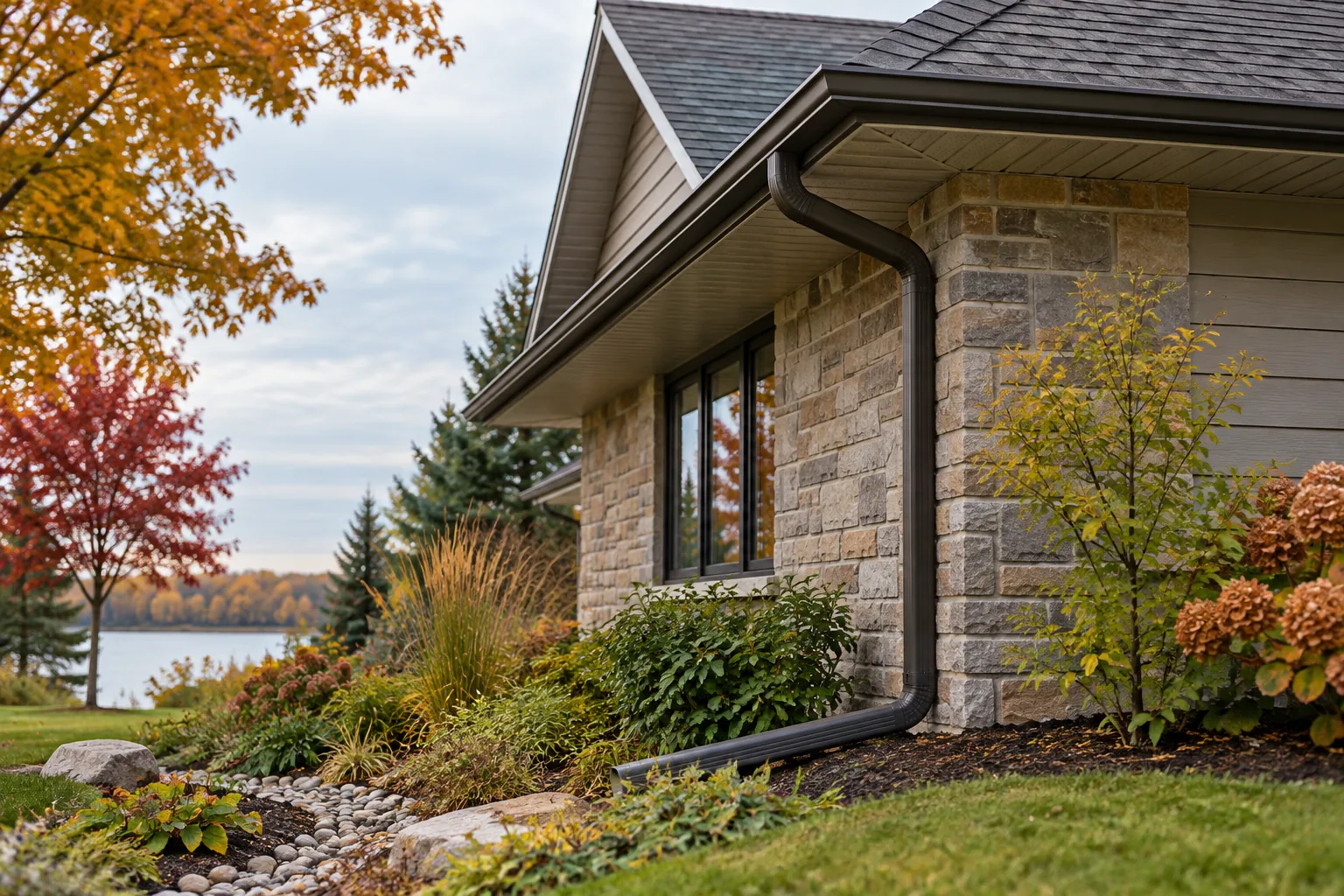
Map the areas to be cared for and identify lawn, planting, trees, irrigation, paving, decks and any pool or spa equipment. Mark what stays and what may be pruned, moved or treated. The provider needs to understand access, slopes, weather exposure and how water leaves the site, especially where a cleaning or irrigation visit could affect neighbouring surfaces.
Make the important interfaces clear
Choose methods by the item. An irrigation system’s winterization needs its actual equipment and protection arrangement understood. Deck-cleaning limits vary by product generation. Tree condition questions may require a suitable tree professional, and pool or spa care requires a water and equipment record rather than a judgement based only on clear-looking water. Do not bundle those different skills into a vague yard tidy.
Leave a useful next step
Agree service triggers, materials, waste handling and reporting. Distinguish care of an existing useful surface from levelling, structural renewal or redesign. A new joint fill cannot repair a failing patio base; washing cannot make a decayed pergola sound. Ask for findings that locate the issue and state the next appropriate assessment. That keeps ordinary seasonal work moving while larger decisions remain visible and properly authorized.
Choose the next useful decision
Use a marked keep-list for planting and a materials list for built surfaces. Include water and waste destinations in the proposal. A provider should be able to explain which care method suits each area before arriving with one treatment intended for the whole property.
Details to bring into the conversation
- Match methods to materials and plants
- Separate tree and pool expertise
- Do not disguise movement with surface treatment