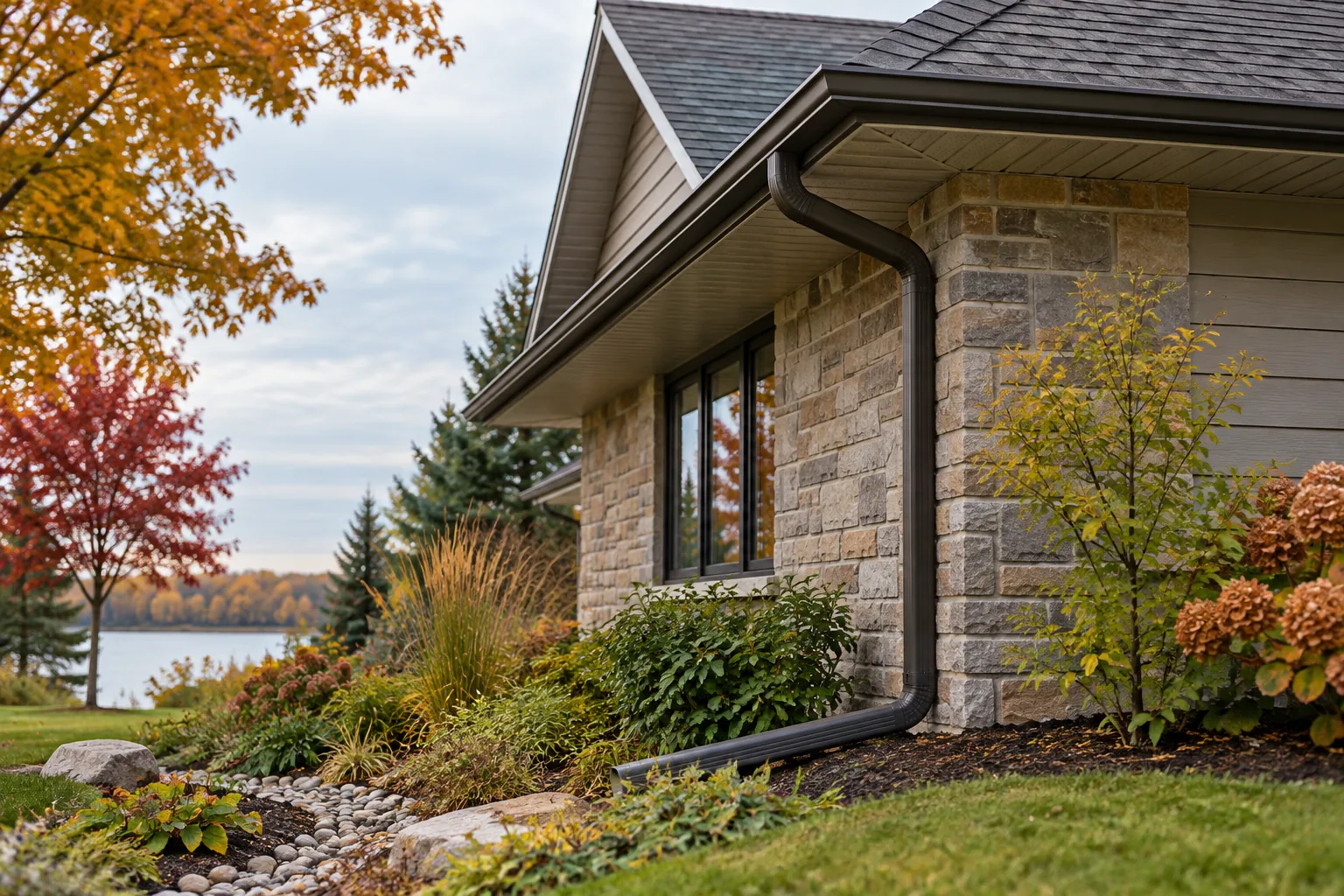
Trace visible moisture concerns in an existing shed before covering them with a new surface.
What the visit should establish
Record roof and wall materials, ground contact, stored contents and when dampness appears. Ask the provider to review accessible roof edges, door seals, floor perimeter and ventilation observations.
Where routine care reaches its limit
A waterproof coating is not a substitute for sound cladding, roof details or drainage. Rot, persistent wetting and unstable support need separate correction.
Make the service record useful
Ask for findings tied to the actual item and location. Agree the completion checklist before the visit: observed entry paths documented, contents protected as agreed, renewal or drainage recommendations separated. Separate work completed from areas only observed, and leave inaccessible parts clearly marked. That record gives the next provider a practical starting point instead of another unexplained service sticker.
What shapes the scope?
- Shed construction and size
- Roof and floor access
- Moisture pattern
- Review and selective-care boundary
What should be checked?
- Observed entry paths documented
- Contents protected as agreed
- Renewal or drainage recommendations separated
Questions worth asking
What information makes this care request more useful?
Start with shed construction and size and roof and floor access. Add dated photographs and describe when the concern occurs. A precise brief helps the provider decide what can be assessed on the first visit and what needs a separate investigation.
How do I distinguish maintenance from renewal here?
Keep useful existing components in service when the assessment supports that approach. A waterproof coating is not a substitute for sound cladding, roof details or drainage. Rot, persistent wetting and unstable support need separate correction. A failed item needing renewal belongs in a separately defined Replacing scope; a change in capability belongs at Upgrading.
Bring the details together.
Add this service to My project. Tell HAUSE what you have, what you want to achieve and where the work is needed. A clearer brief makes it easier to discuss the right assessment, responsible trades and written scope.
Build my project brief ↗