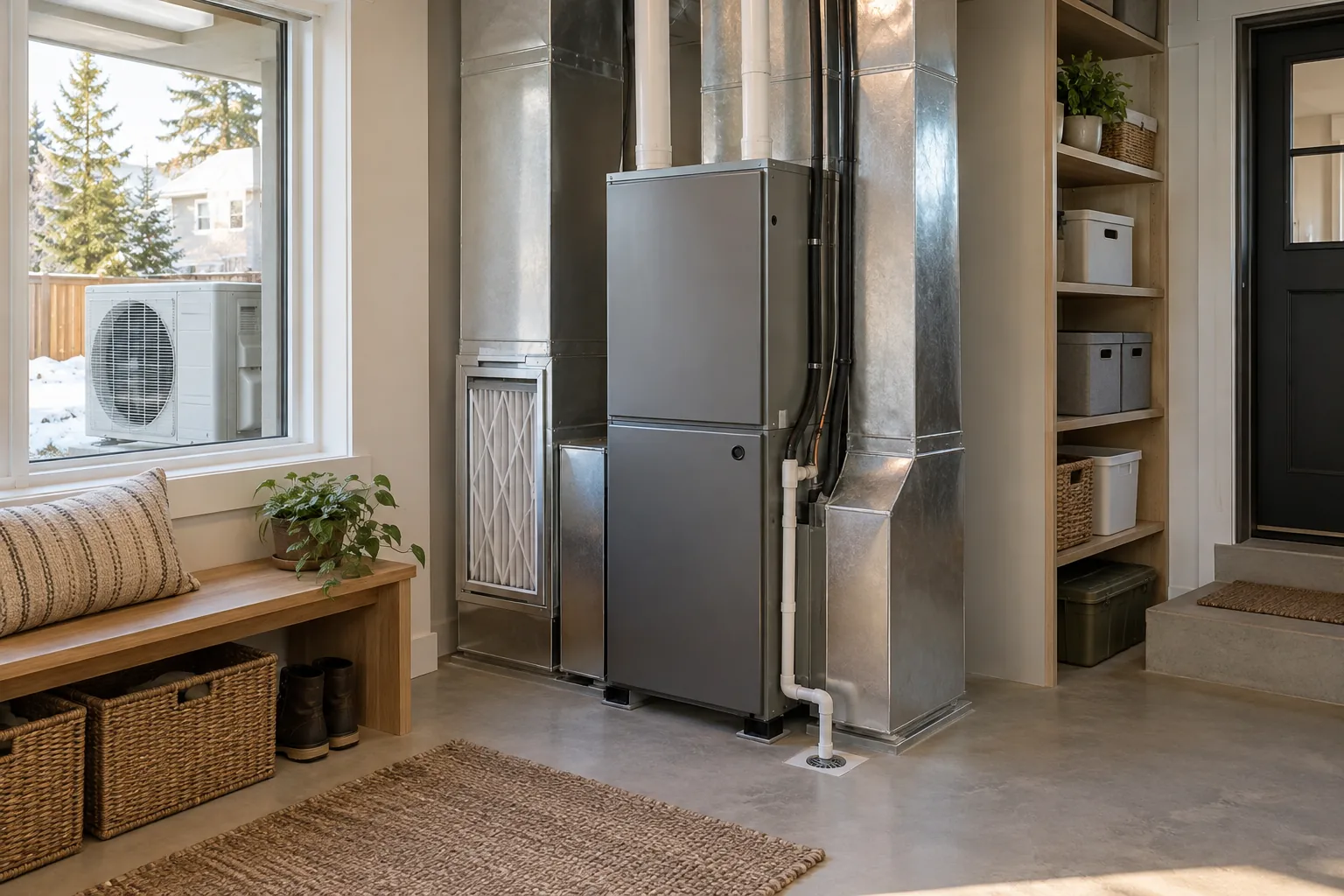
A useful service record lets the next person understand the item, the work and the remaining question. It does not need to be elaborate, but it should distinguish evidence from assumptions and protect household privacy.
Record the essentials
For each service, keep the date, equipment identity, provider, agreed scope and actual findings. Note inaccessible areas and tasks deferred. The record should explain what happened without implying that uninspected systems were approved.
Keep product manuals, warranty conditions and commissioning records with the equipment entry. This helps the next professional avoid repeating basic discovery.
Turn findings into actions
Give each recommendation a next step: monitor, obtain assessment, repair, replace or improve. Add a sensible review date agreed with the provider. An unresolved recommendation should not disappear because the visit is complete.
When selling, renting or transferring care of a home, share relevant maintenance information without handing over unnecessary personal or account data.
Keep accounts under your control
For connected devices, retain owner access and review notification settings. Do not submit passwords or access codes to HAUSE chat or project forms. Ask the servicing provider how account access and data are handled.
Use an equipment-based structure
Create one entry or folder for each important item or system, using the model and location as the anchor. A receipt labelled only annual service is difficult to connect to the upstairs fan or the basement boiler later. Keep installation dates only when documented, and mark approximate ages clearly. Add the manual link, provider contact and any relevant work or inspection record beside the service history.

Ask for the right five distinctions
A strong visit note separates the concern reported, the condition observed, work completed, areas not accessed and recommended next action. If measurements matter, request the readings and context rather than a bare statement that the system passed. If a part was supplied, keep its identity. These distinctions make a later quotation more useful without turning a short service note into a broad certification.
Compare two records
“Checked sump, all good” leaves almost everything to interpretation. A better record identifies the pump and alarm, the controlled test performed, the discharge observations, any backup limitation and the provider’s recommendation. It still does not guarantee future operation. The improvement is traceability: the household and next provider know what evidence exists and which parts were outside the visit.
Keep household control of the archive
Choose a format the household can open without relying on one provider’s app. A simple folder and index can be sufficient. Keep owner-controlled accounts and backup access, but separate passwords, door codes, identification and sensitive financial records from the general service file. The Canadian Centre for Cyber Security’s device guidance is a useful starting point for account and update hygiene; it is not a reason to collect more private data.
Turn records into decisions
After each visit, move recommendations into a short action list with a responsible person. Link a completed correction back to the finding that prompted it. When an item is replaced, preserve the old history but start a new product record so outdated consumables and intervals are not carried forward. Review unresolved notes periodically; a tidy archive is useful only if the household can find and act on its next question.
Make the brief specific
Write the index in words the household already uses. “Basement east sump” or “main bathroom fan” may be more useful than an unexplained equipment code, provided the exact model is linked beneath it. If two similar devices exist, include a location photograph. Ask a new provider to read the prior limitation before quoting: an inaccessible exhaust section or unresolved pressure trend should not vanish because another visit has begun. The archive earns its place when someone can retrieve the right history and understand its boundaries in a few minutes.
Your conversation checklist
- Index by equipment and room
- Mark unknown and approximate dates
- Separate findings from work completed
- Retain relevant readings and part identities
- Keep sensitive access data outside the brief
- Link recommendations to later decisions
Questions worth asking
Is an invoice enough as a service record?
It may prove a transaction without explaining the condition or checks. Ask for the relevant findings and completion note as well, especially when the next decision depends on what was actually assessed.
Should old records be deleted after replacement?
Usually the previous record remains useful context for the cause of failure and related work. Keep it separate from the new item’s manual and care plan, and choose an appropriate private retention arrangement for personal documents.
Turn the useful details into a clear brief.
Choose the services you need and bring your priorities, existing conditions and location into one HAUSE enquiry.
Start my project brief ↗