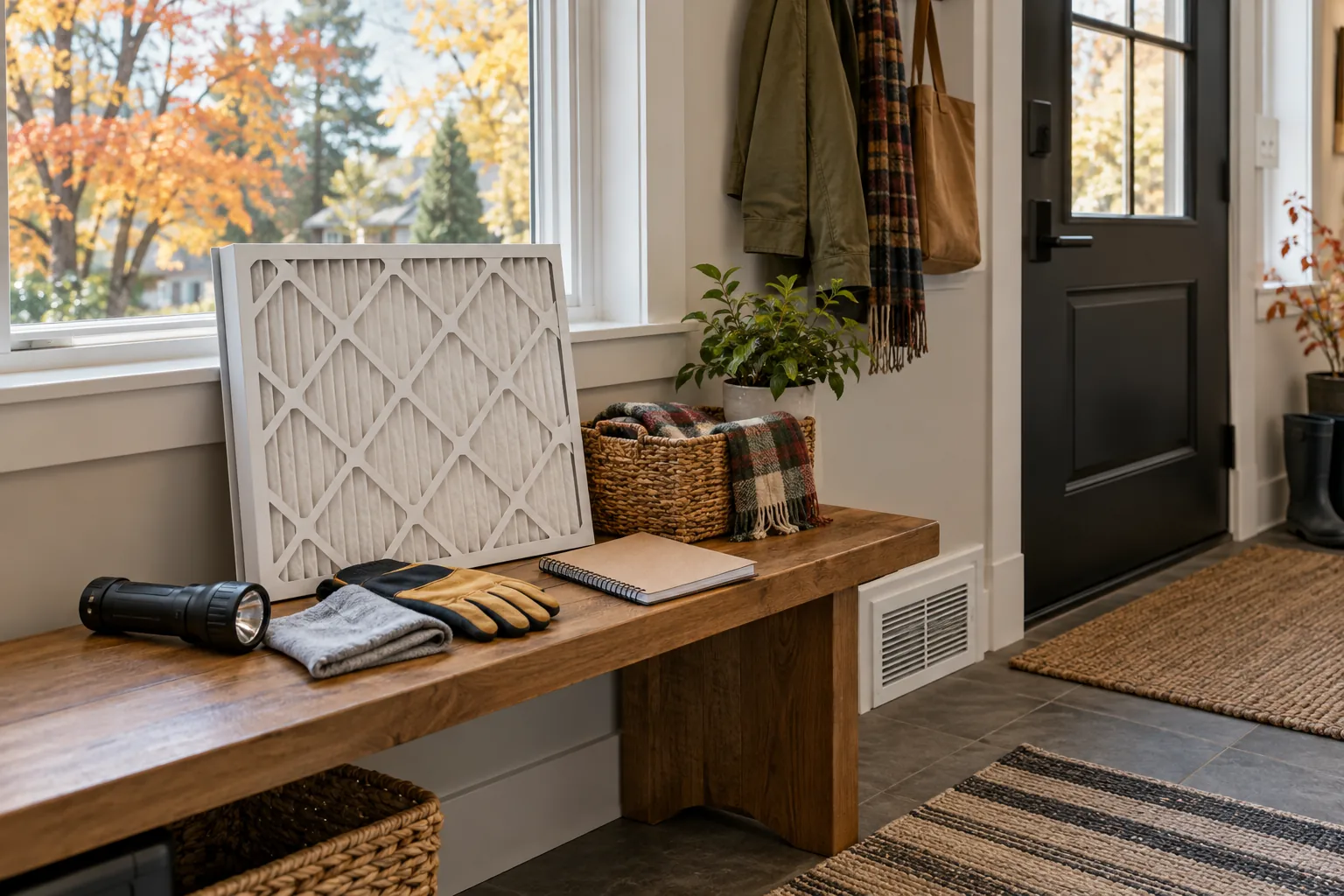
Turn each seasonal visit into a short, accurate history that improves the next one. The record should explain the condition before care, the agreed work, the result and the question that remains.
Build the equipment list
Record models, locations, manuals and the last known service dates for the systems actually in the home. Leave unknowns marked as unknown; an approximate age is not a service record.
Keep conditions separate from tasks
A note that a stain exists is different from a statement that its source was found. Ask providers to distinguish observation, work completed, parts used, areas not accessed and recommendations.
Use seasons as reminders
Spring water paths, summer exterior care, autumn heating preparation and winter observation are useful prompts. They are not universal service intervals. Use product instructions and the home’s exposure and use to set timing.
Track the next owner
For each recommendation, record whether it is routine care, an assessed repair, a replacement or a broader upgrade. Decide who will obtain the next proposal and when the condition should be reviewed.
Share a concise brief
Before the next visit, send the relevant history and current symptoms, not a folder of unrelated records. Keep private documents and access codes out of a general website enquiry.

Make a baseline before the first round
Collect equipment models, room locations and available service dates. Separate known facts from estimates and leave missing manuals visible as a task to resolve. Photograph accessible labels and overall arrangements, without opening energized equipment or disturbing unknown insulation. A baseline is useful because later findings can be compared to the same item rather than a vague memory of last winter.
Record change with context
For a moisture mark, note weather and room use. For a heat pump complaint, note the mode and conditions described to the provider. For a gutter overflow, identify the outlet and affected elevation. A date alone is not enough to compare events. The provider’s findings should say what was observed during the visit and what comes only from the household’s earlier report.
Follow one finding across seasons
Suppose an autumn visit records a shaded gutter section repeatedly filling with debris. The spring note can identify whether the outlet was cleared, whether discharge remained problematic and whether the provider recommended a different assessment. This sequence does not prove that the roof or buried drain is sound. It creates a traceable question and prevents another visit from being described as complete while the same limitation disappears from the record.
Make recommendations operational
Every follow-up needs a decision owner and a reason. Separate ordinary consumable care, a diagnostic appointment, failed-component renewal and a broader improvement. Keep proposed work distinct from approved or completed work. If a new appliance is fitted, attach its manual and start its own history; do not carry the old item’s dates forward as though the equipment never changed.
Store a record the household can use
A compact index plus original reports is often more practical than an elaborate system nobody updates. Keep provider identities and useful product records, but avoid passwords, access codes and unnecessary personal data. Review the open items after each season and remove tasks that no longer apply. The record’s value is a better next conversation, not a claim that the house has been certified between visits.
Make the brief specific
Give every unresolved finding a clear status. “Observed,” “assessment requested,” “quoted,” “approved” and “completed with record” describe different stages. A recommendation is not evidence that work happened, and a quotation is not authorization. For example, if a winter visit notes recurring condensation, the spring file should show whether ventilation assessment occurred and what it found, rather than simply repeating “check windows.” Keeping the status beside the actual observation makes the care history useful to the household and the next suitable provider without overstating what has been established.
Your conversation checklist
- Identify the actual item and location
- Keep original findings with a short index
- Record weather or use when relevant
- Separate observation approval and completion
- Assign follow-up decisions
- Start a new history for renewed equipment
Questions worth asking
How detailed should a seasonal record be?
Detailed enough to identify the item, relevant conditions, work and limitation. Keep the original specialist report where one exists, with a short index that lets the household find it quickly.
Does a completed seasonal record mean all systems passed?
No. It means the agreed visit and its findings were recorded. The note should still identify inaccessible areas and work outside the provider’s scope, without implying a whole-home certification.
Turn the useful details into a clear brief.
Choose the services you need and bring your priorities, existing conditions and location into one HAUSE enquiry.
Start my project brief ↗