Safety-related care should produce a clear device record, useful test evidence and understandable limits.
Start with the existing condition
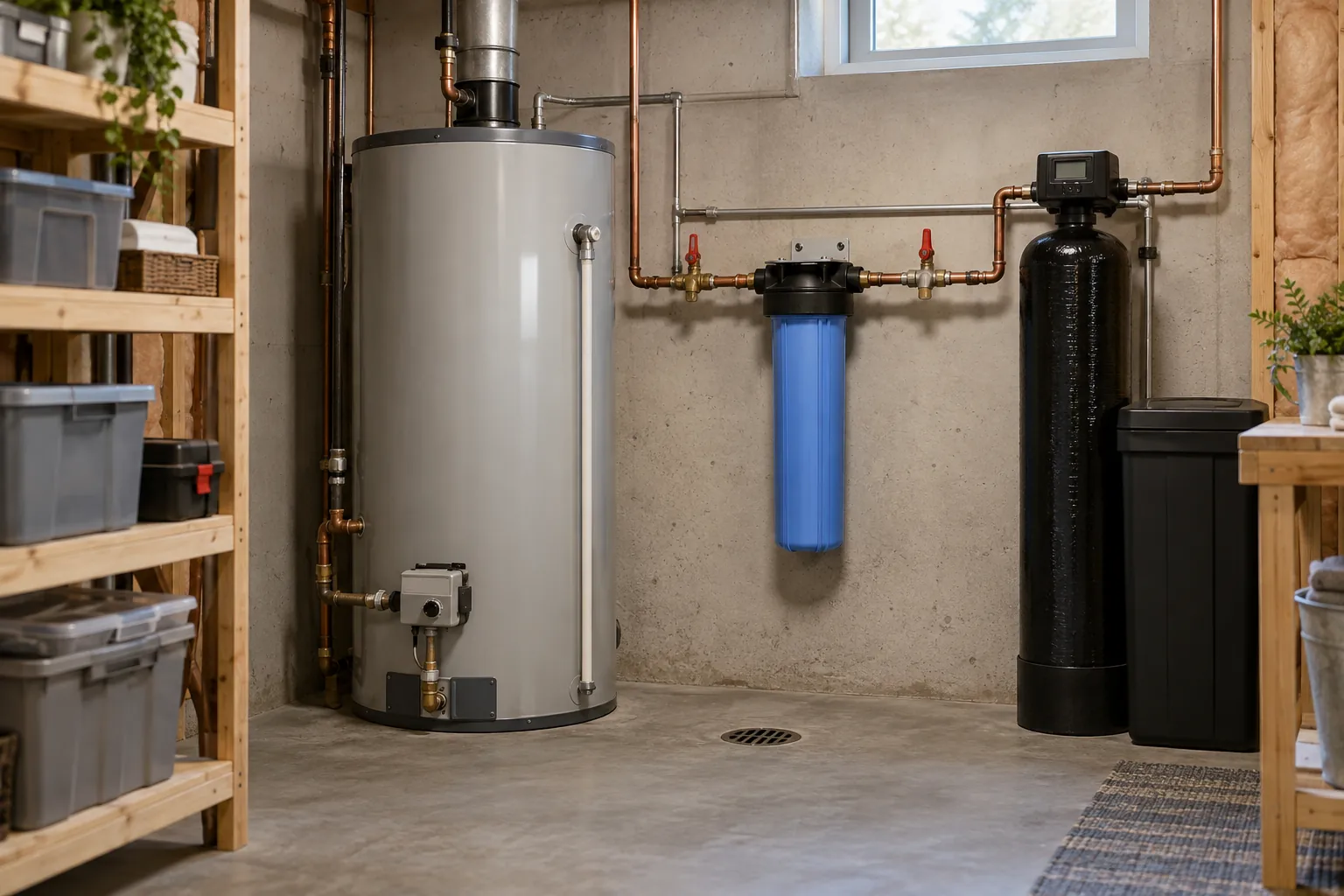
Start with actual alarm models, marked dates, power arrangements, sensors and accessible controls. Ask what the provider will test according to each manual and how results are recorded. A smoke alarm, CO alarm, sump alarm and leak sensor do different jobs; one successful check does not stand in for the others or prove complete household coverage.
Make the important interfaces clear
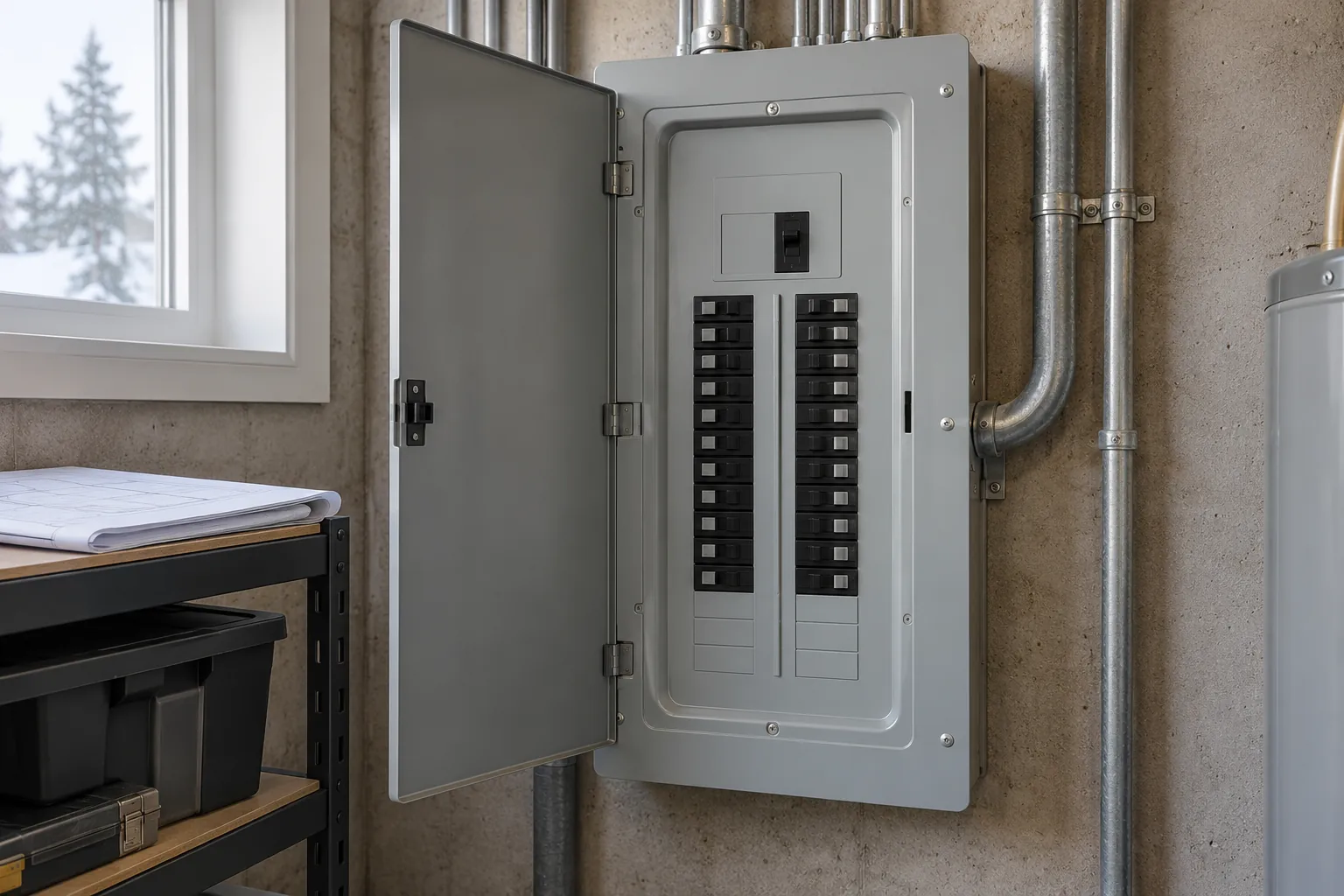
Separate scheduled care from urgent response. A sounding carbon monoxide alarm needs evacuation and an emergency call from outside. Electrical damage or an active water hazard can also need prompt specialist attention. Radon planning is a measurement task: Health Canada recommends a long-term test of at least three months, with appropriate placement and a retained result rather than a reassuring spot reading.
Leave a useful next step
A visual walkthrough is useful when its boundary is explicit. Identify rooms reviewed, inaccessible areas, concerns found and who should assess them next. Keep connected-device accounts under owner control and document where alerts are expected to go. The final record should help the household act, without claiming that a care visit certifies the home or guarantees that every concealed or future hazard has been identified.
Choose the next useful decision
Identify who responds when an alert arrives, including when the household is away. A tested notification with no agreed recipient is an incomplete practical plan. Keep response contacts privately available and distinguish a device test from an assessment of the system or hazard it monitors.
Details to bring into the conversation
- Follow the exact device manual
- Record test limits honestly
- Keep urgent hazards outside routine scheduling