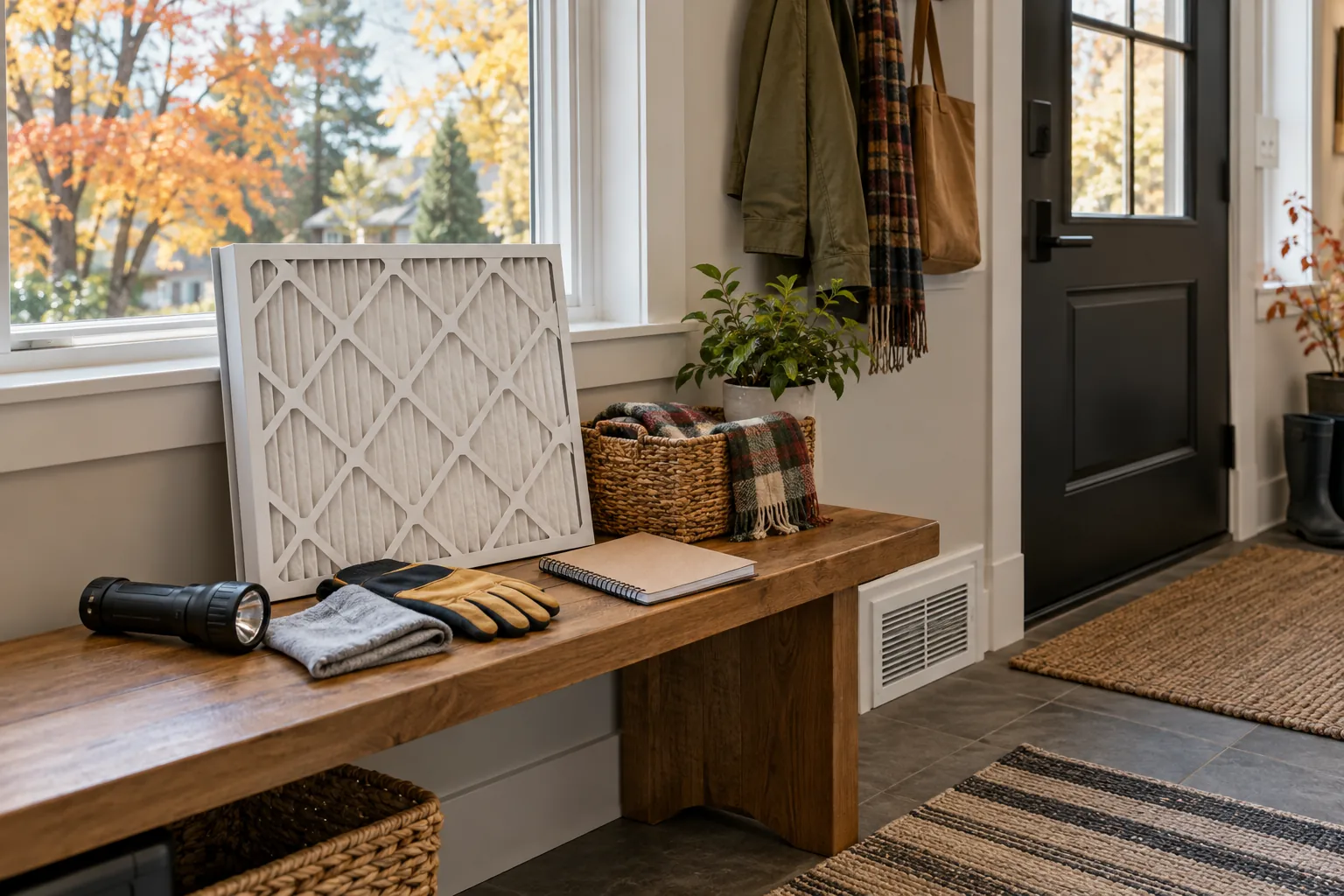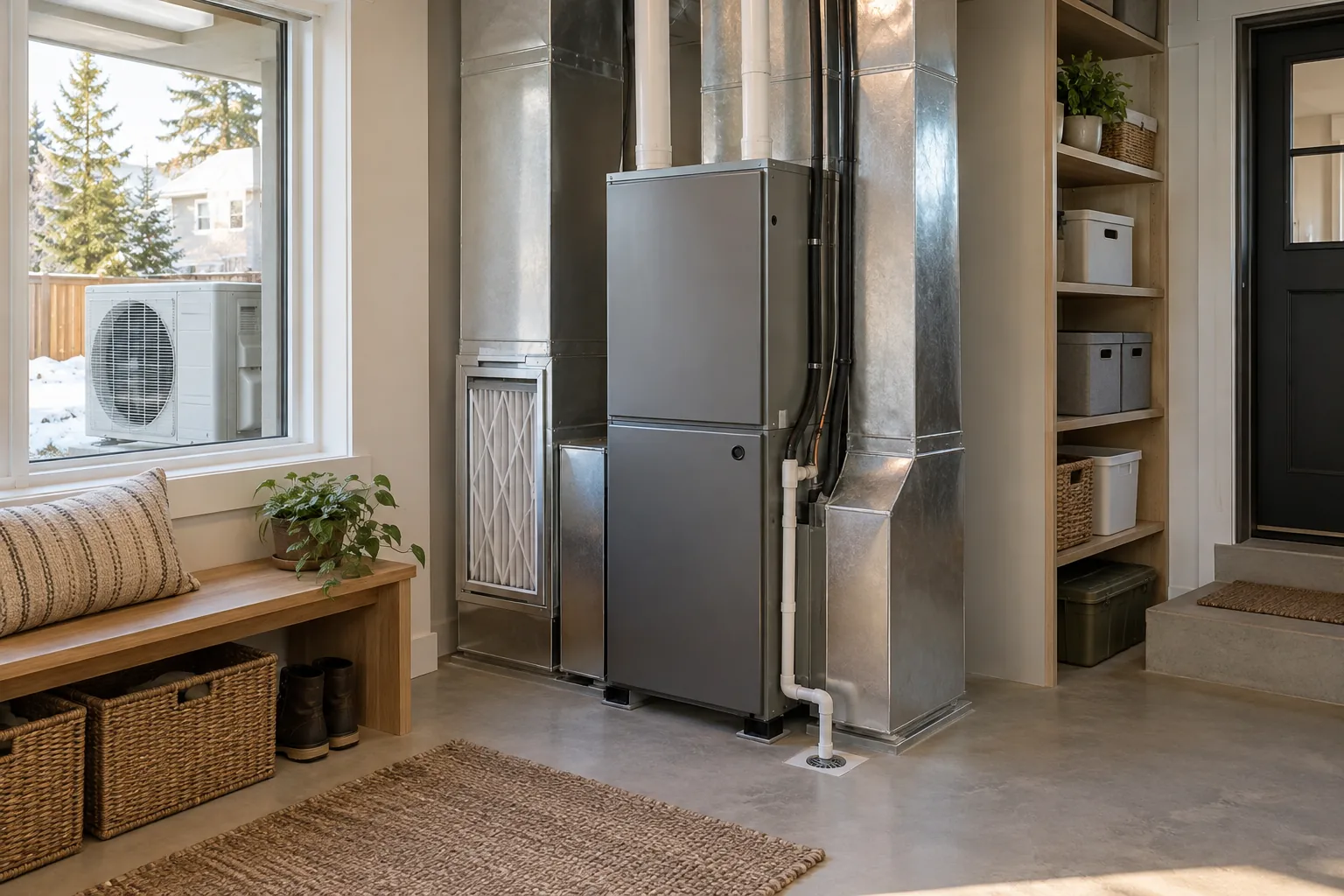
Useful heating and ventilation care starts with the installed system, its operating history and the rooms it serves.
Start with the existing condition
A furnace, heat pump, boiler and HRV need different maintenance briefs. Start with model numbers, accessible manuals, filter identities and previous findings. Describe changes in comfort, noise, cycling or moisture by room and by season. A provider can use that history to choose the appropriate inspection and operating checks rather than repeat a list designed for another home.
Make the important interfaces clear
Ask which parts are cleaned, which are measured and which are only observed. For ventilation equipment, a clean grille or core does not by itself demonstrate the required airflow. For heating equipment, replacing a consumable does not settle a combustion or control concern. The quotation should make those distinctions understandable and identify any qualified trade work that the visit excludes.
Leave a useful next step
Keep the house context visible. Window condensation, frequent filter loading and uneven temperatures may involve occupancy, moisture, distribution or building-envelope conditions as well as the equipment. Request a record of readings where relevant, parts used, inaccessible areas and recommendations. Routine care belongs here while the existing system remains useful; failed equipment renewal belongs at Replacing and a deliberate change in capability belongs at Upgrading.
Choose the next useful decision
Choose the first visit around the most important unresolved question. A heat-pump operating complaint, an HRV airflow concern and a missing filter identity can share records, but they need different checks. Ask which provider owns each conclusion before combining them into a seasonal appointment.
Details to bring into the conversation
- Match care to the actual model
- Separate cleaning from diagnostic measurement
- Escalate unsafe or recurring faults promptly