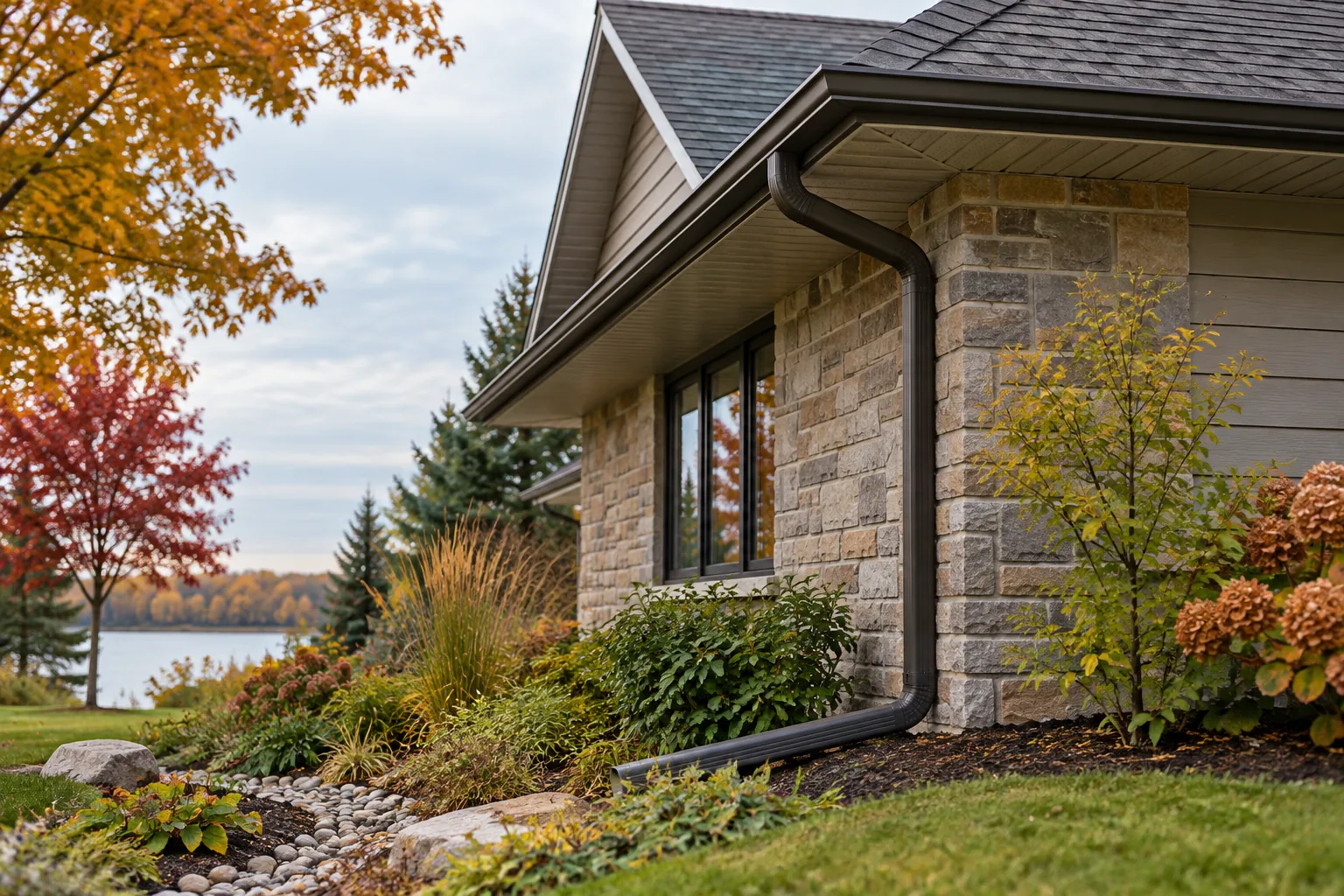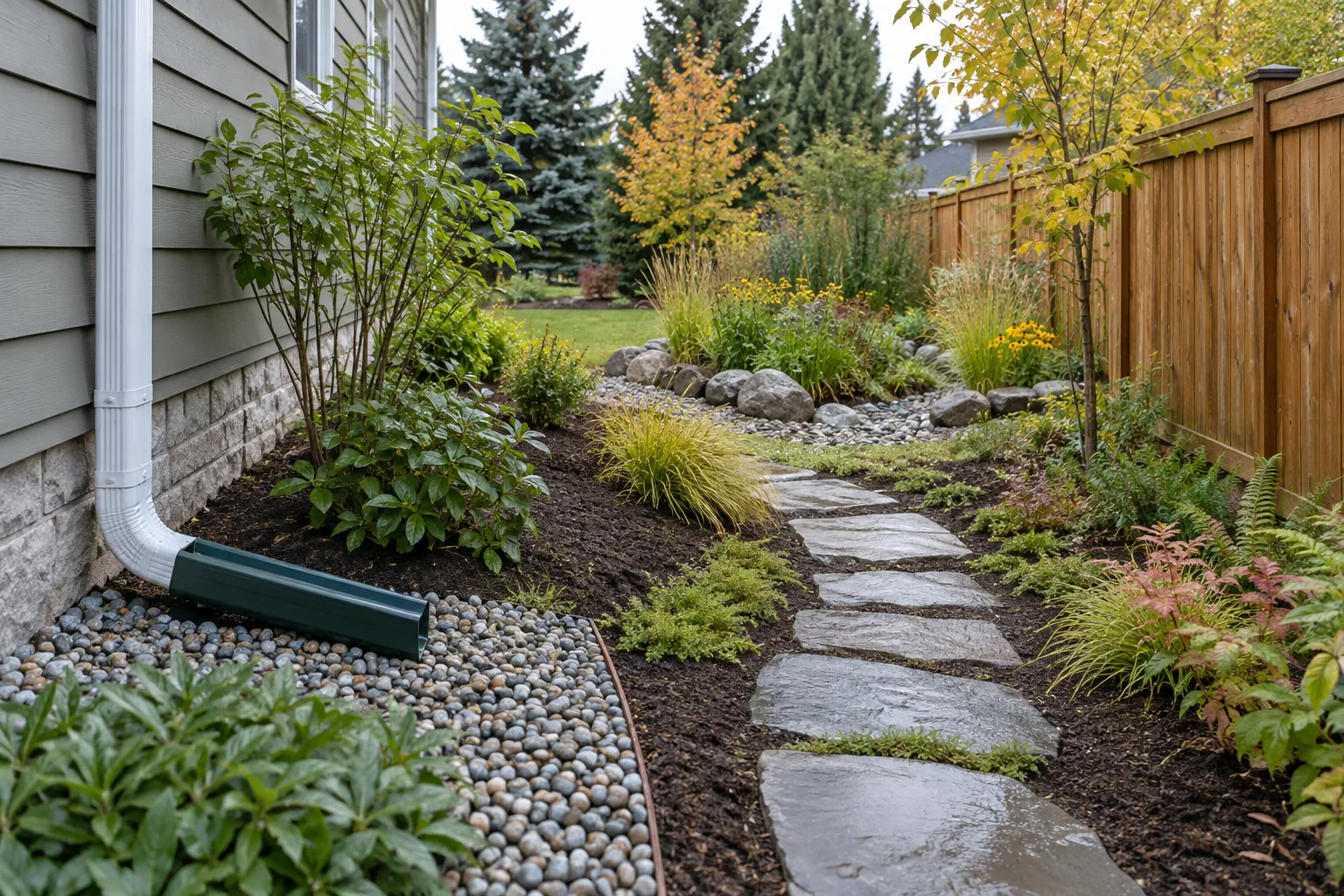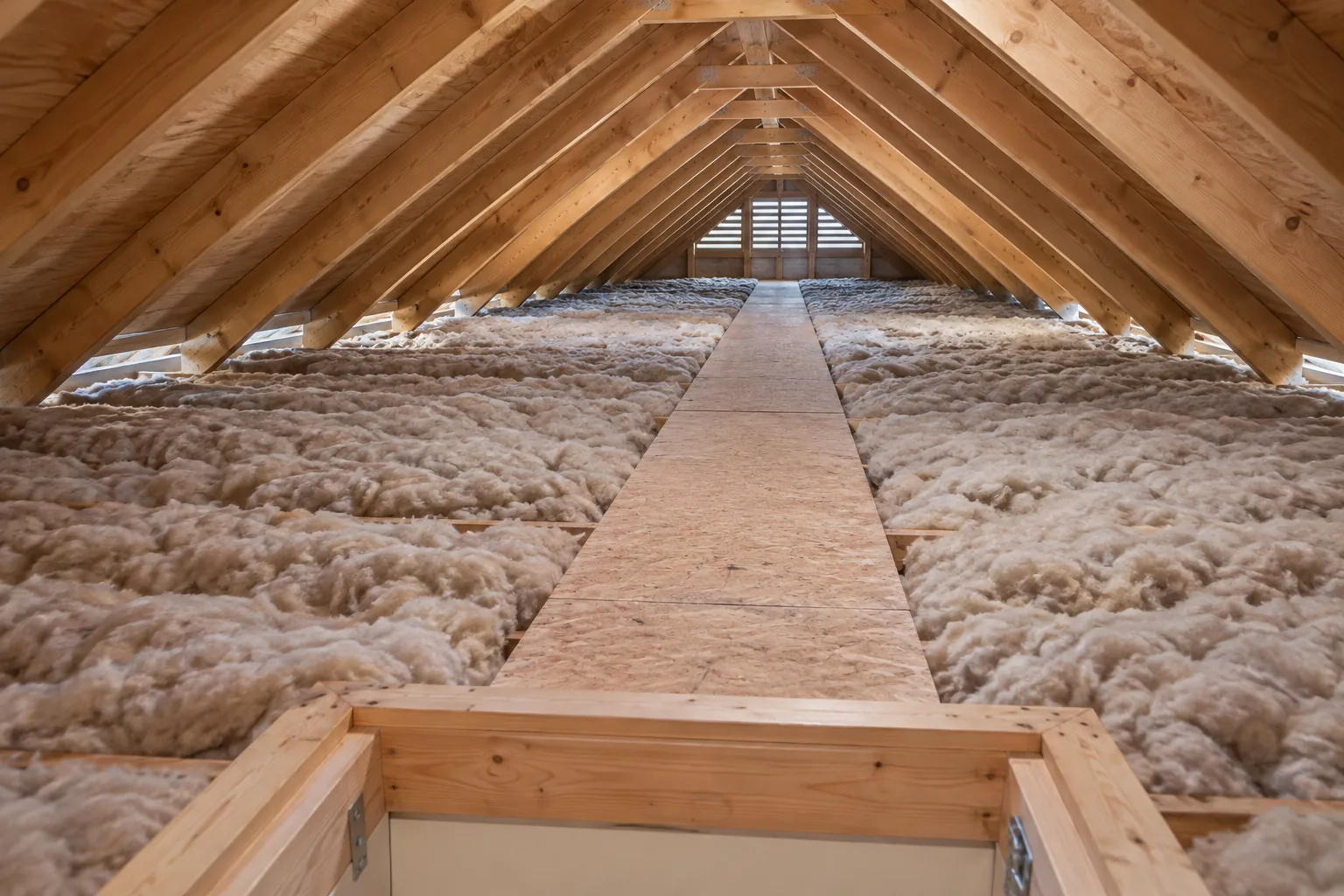
Keep roof water moving through a visible, documented route before giving attention to decorative exterior care.
Start with the existing condition
Walk the property from safe ground positions and collect useful photographs of gutter overflows, downspout destinations, ponding, stained fascia and damp interior areas. Note the weather when each issue appears. A provider should know whether the brief is clearing debris, reviewing visible condition or investigating an actual leak, because those are different service promises and access requirements.
Make the important interfaces clear
A clean gutter is only one part of the route. The outlet, extension, buried connection, grade and neighbouring surfaces determine where the water goes next. Roof coverings, flat-roof outlets and window wells each need their own material-aware access plan. Ask how the provider protects fragile surfaces and what cannot be inspected without opening or specialist equipment.
Leave a useful next step
The record should locate findings and state limits. A ground-based roof review cannot establish concealed deck condition; clearing a window well cannot prove a buried drain works. Avoid coating over damp or deteriorated material merely to make the exterior look finished. Use Maintaining for appropriate care of useful components, then separate a failed component’s renewal or a broader drainage improvement into the right family scope.
Choose the next useful decision
For each finding, name the elevation, outlet or roof area so the next provider can locate it. Compare photographs taken under similar conditions where practical. A useful recurring review follows changes and prior limitations instead of replacing last season’s record with another generic checklist.
Details to bring into the conversation
- Agree safe access before pricing
- Trace discharge beyond the gutter
- Do not cover unresolved moisture damage